
Sumi-e: Chrysanthemum
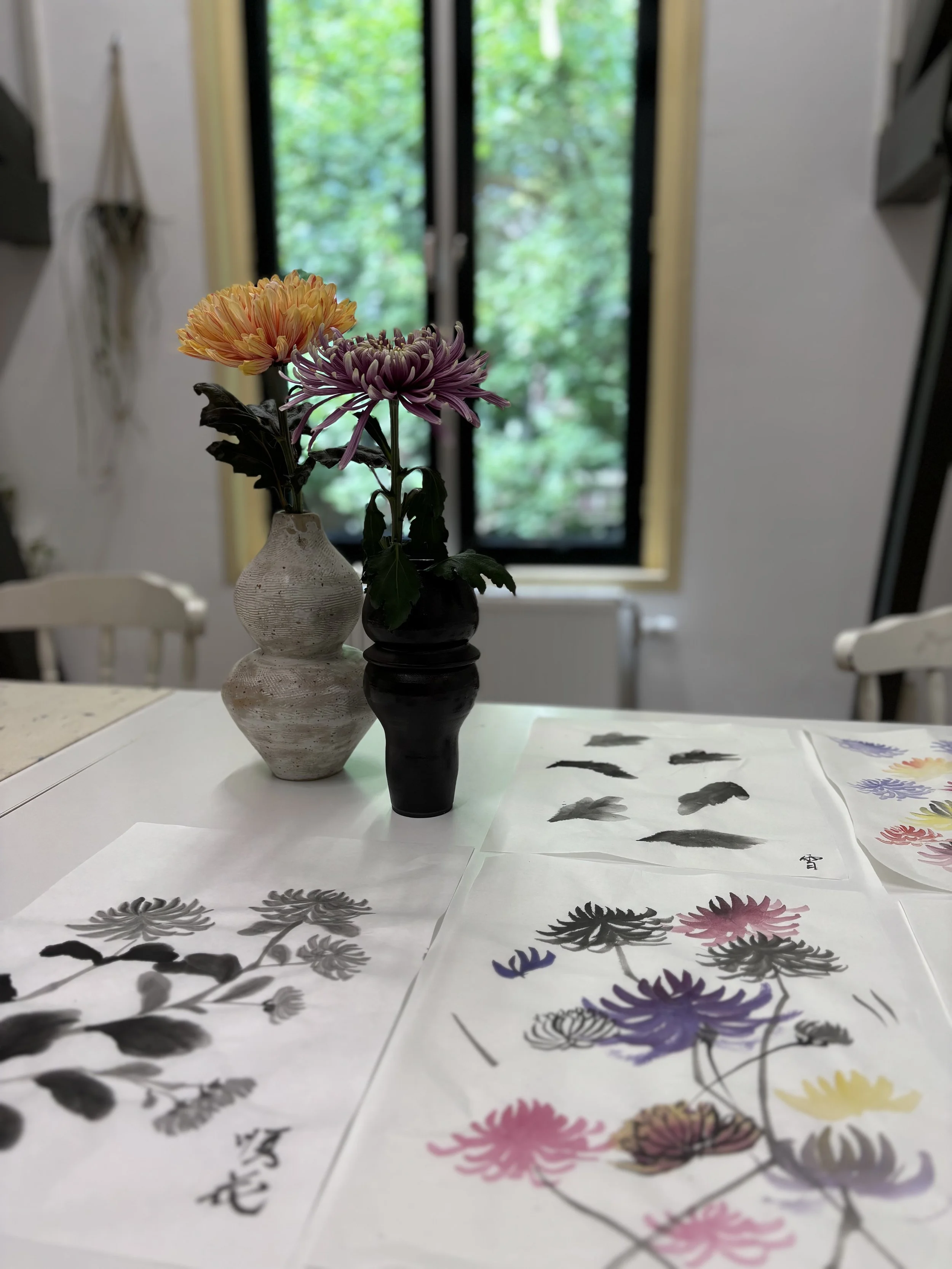
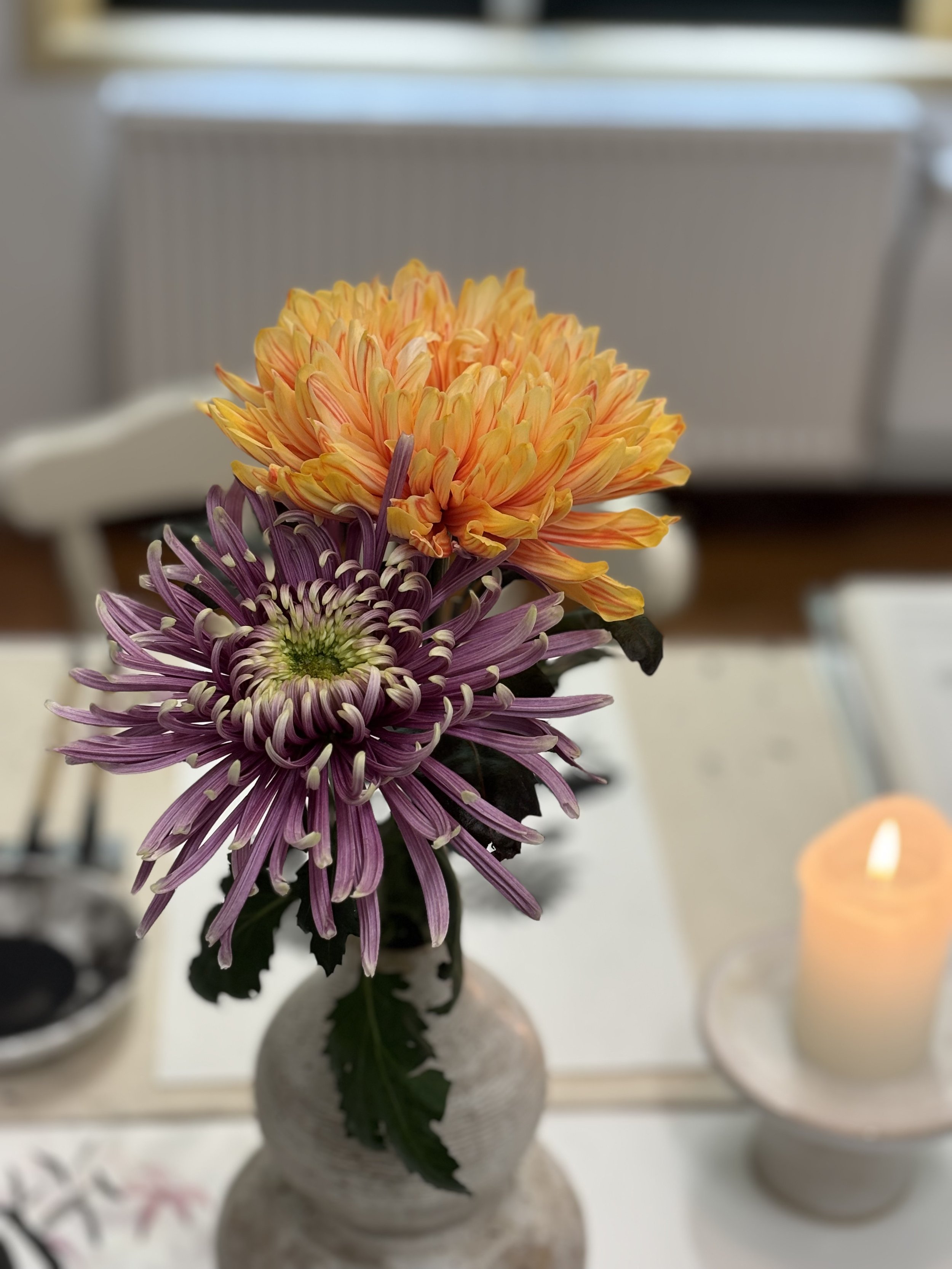
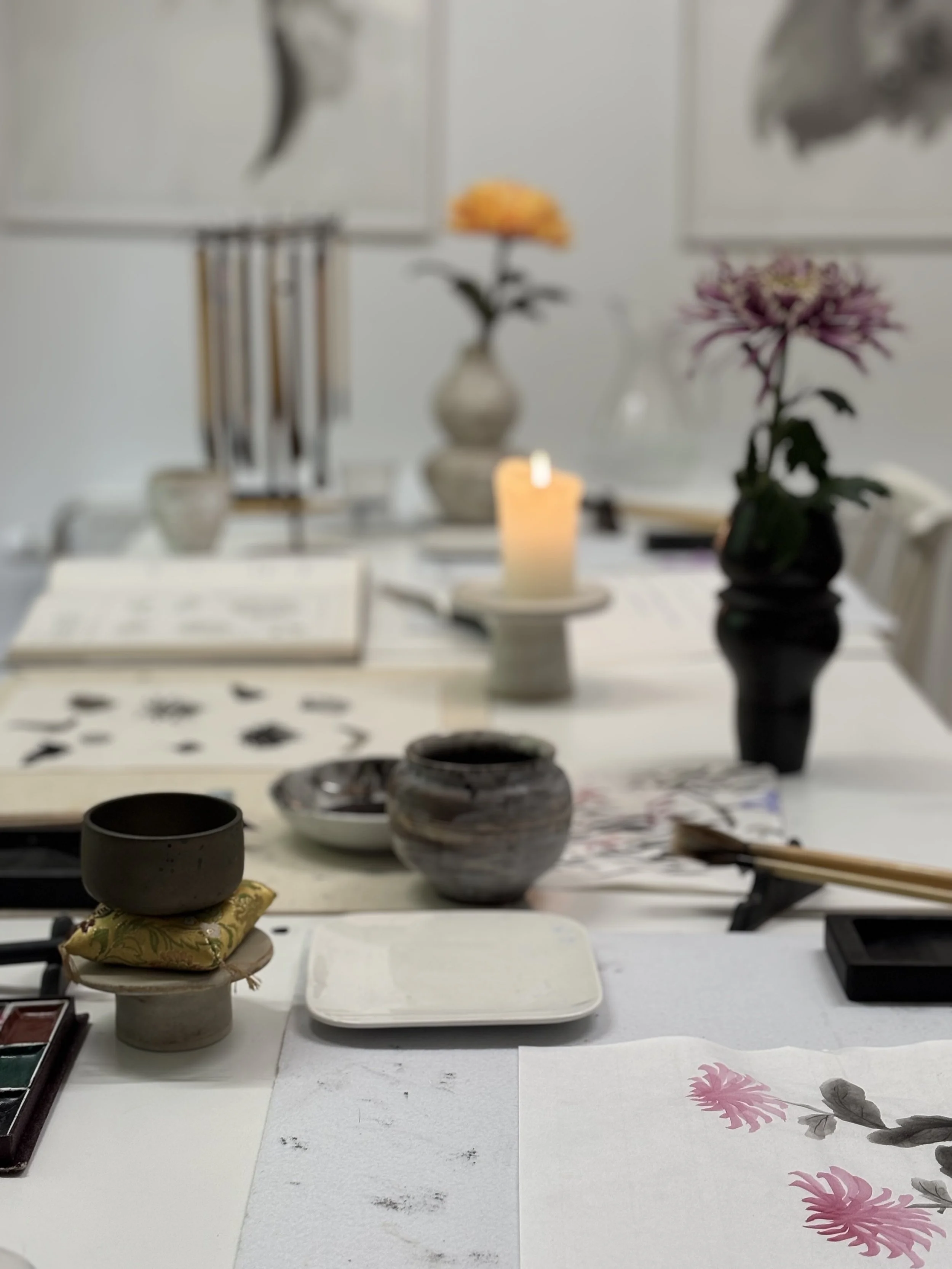
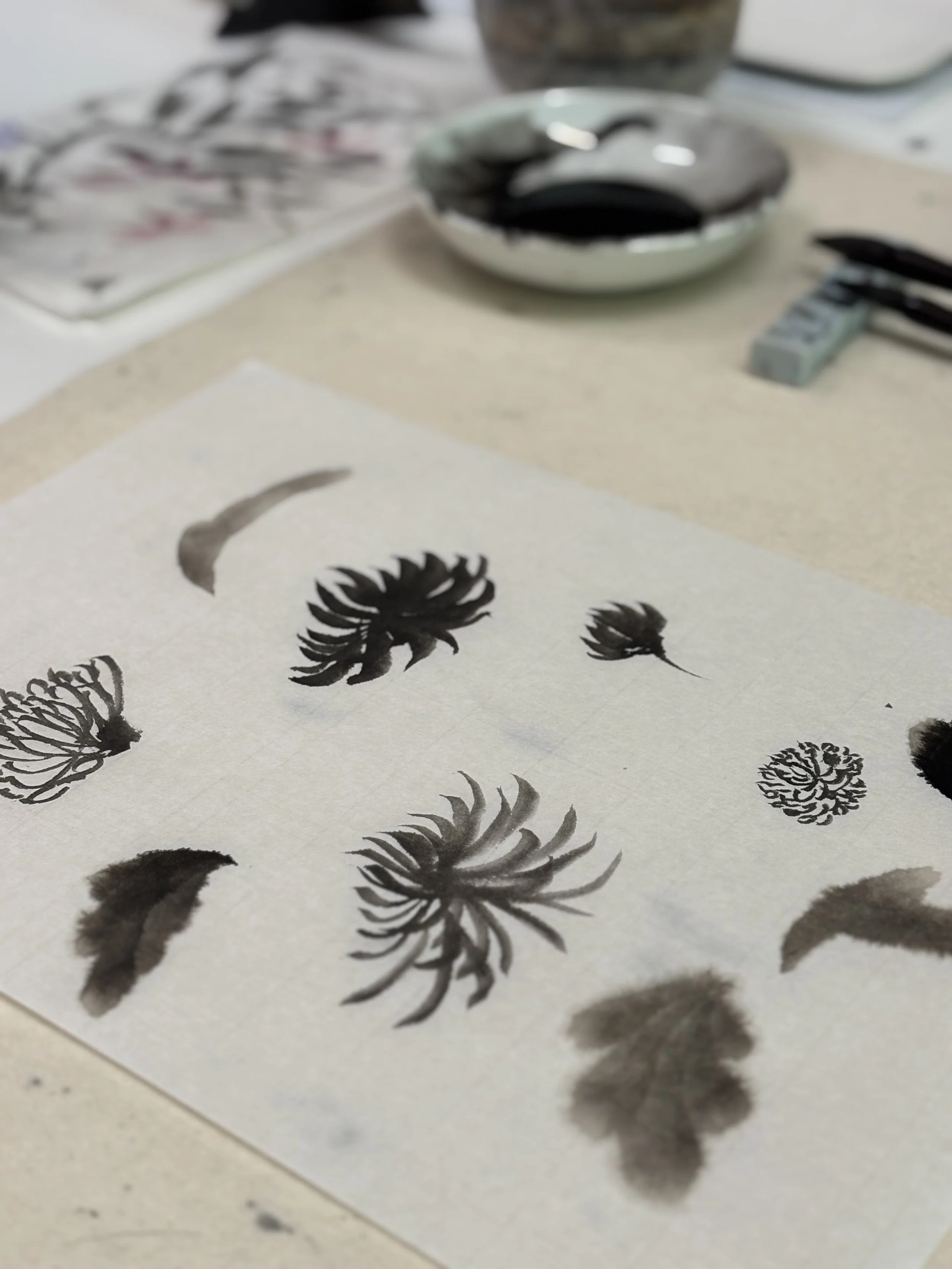
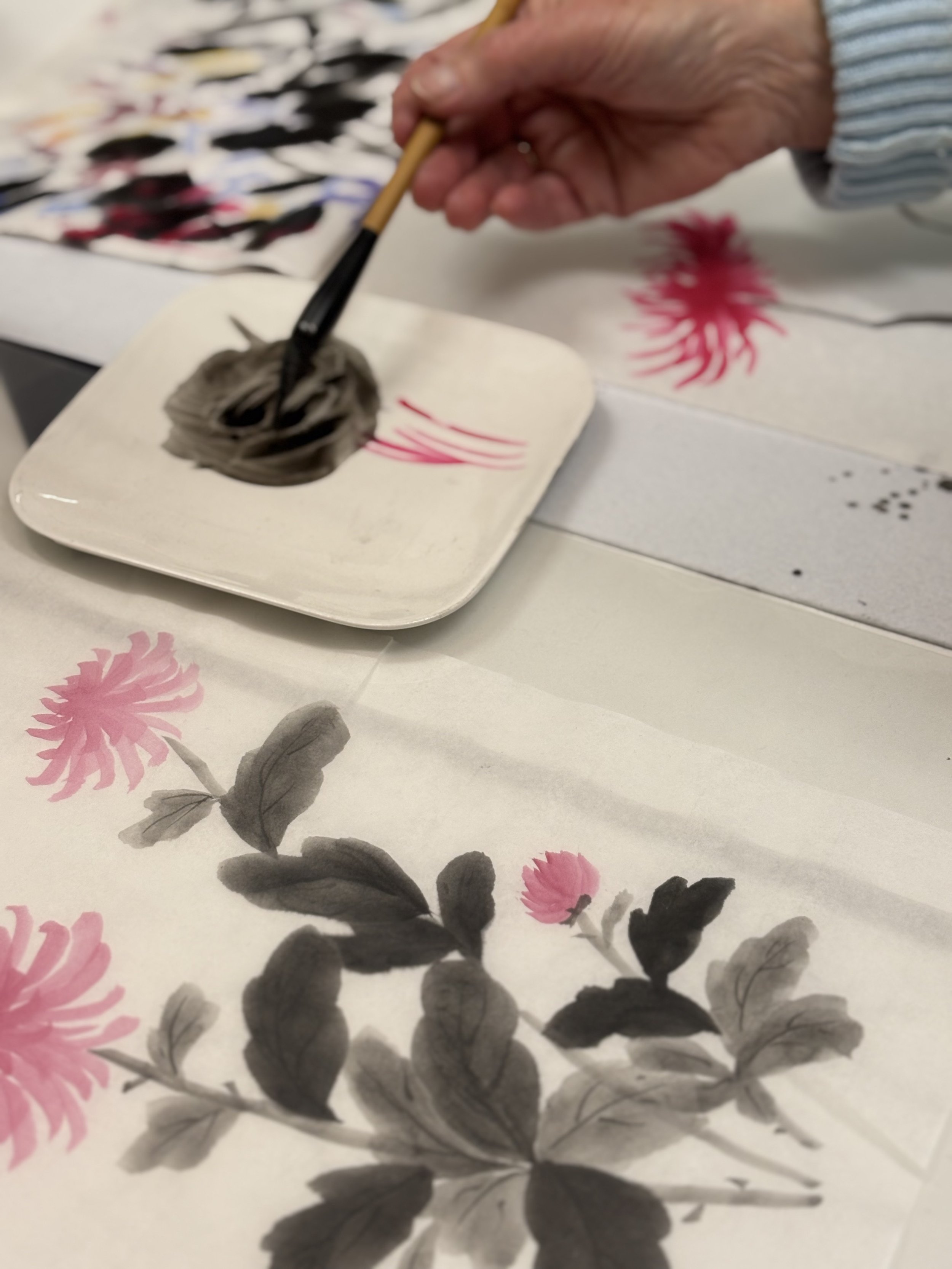
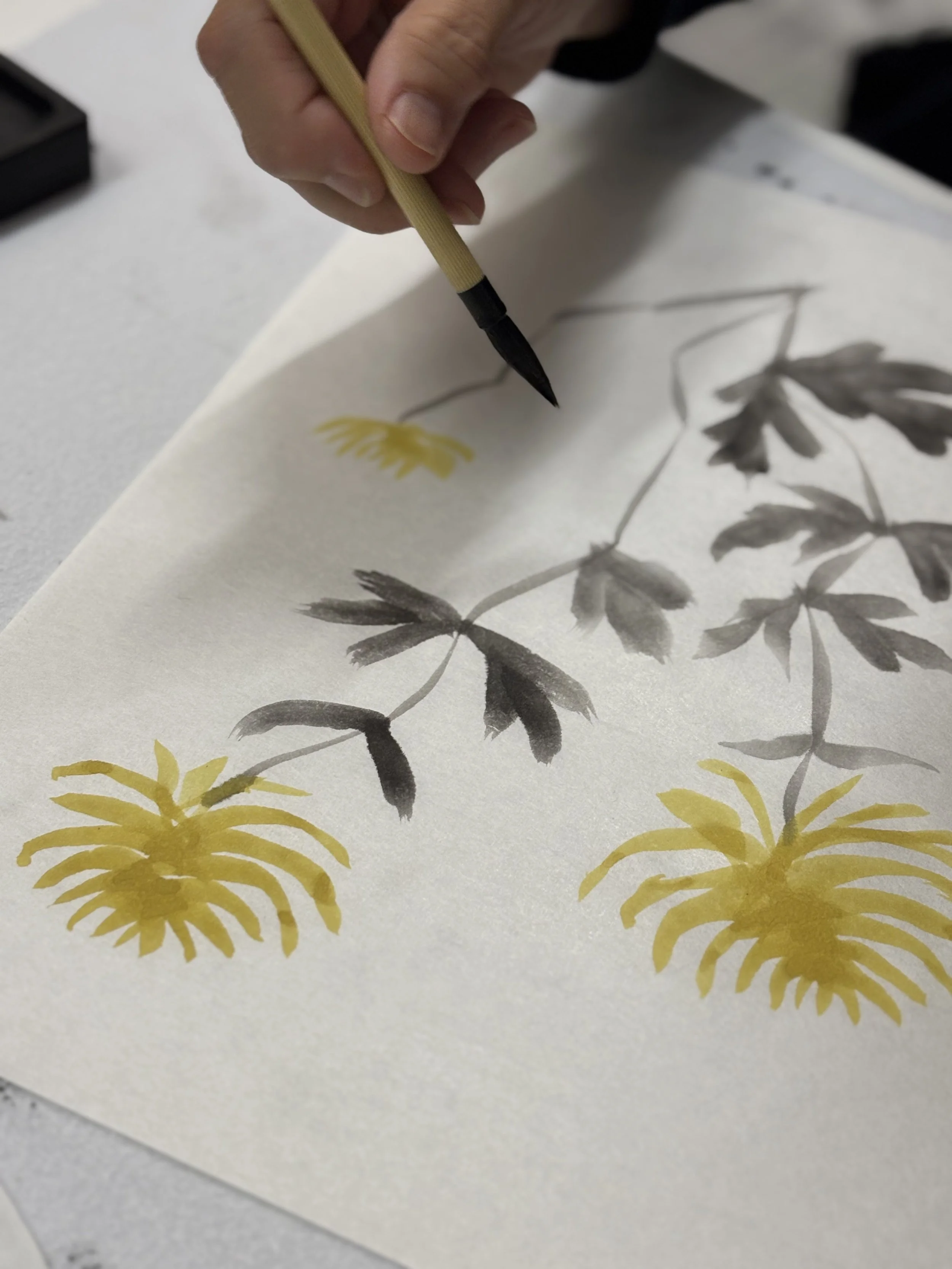
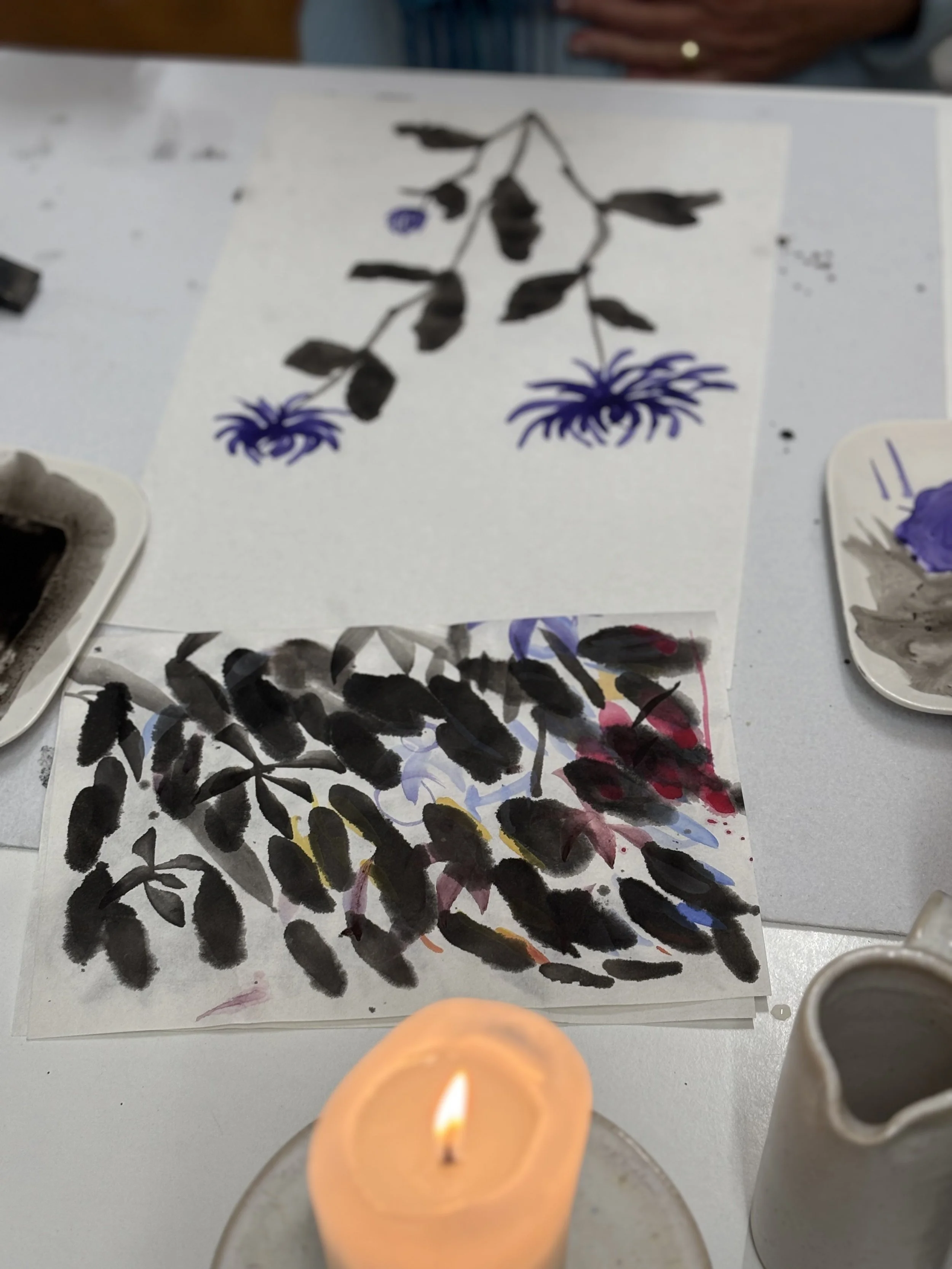

Celebrating the chrysanthemum✨
In a recent Sumi-e session, we painted the quiet strength of this beautiful flower.
While many flowers fade in Autumn, the chrysanthemum blooms—resilient and full of grace. In Japan, it carries layered meanings: often associated with mourning, but also with joy, longevity, and dignity. It is even used as the emblem of the Japanese Imperial family, symbolizing the Emperor.
Chrysanthemums are not only admired visually—they are also part of daily life. In Japan, we eat chrysanthemum petals, and in China, chrysanthemum tea is treasured for its soothing and healing qualities.
What does the chrysanthemum mean in your culture or country? What flowers have special meaning in your culture? I’d love to hear.
Next time, we’ll paint plum blossoms in our final session before the summer break. I’m looking forward to sharing that moment with you.
先日の墨絵クラスでは、「四君子」のひとつ、菊の静かな強さを描きました。
多くの花が秋に枯れる中、菊は咲き続けます──しなやかで気品に満ちた姿で。
日本では、菊はさまざまな意味を持っています。喪や追悼の象徴であると同時に、喜び、長寿、品位の象徴でもあります。日本に住んでいたとき、私にとっては、白い菊=喪=悲しい印象が強かったのですが、墨絵をはじめて、菊に対して明るくて強いイメージを持つようになりました。何よりここだけの話。。。竹や蘭と違って菊はスルスル描けて気持ちの良いモチーフでもあります:)
菊は見た目の美しさだけでなく、私たちの日常にも根づいています。日本では菊の花びらを食べますし、中国では癒しの力を持つ菊茶が親しまれています。シンガポールに住んでいた時はジャスミンティーやウーロン茶よりも菊茶が人気があってよく飲んでいました。
絵を描くことで、その対象物への愛情が深まったり、新しい印象が生まれて楽しいものです:)
次回は夏休み前の最後のセッションとして、梅の花を描きます:)